Best garden maintenance near Hounslow West station in Lampton
If your garden near Hounslow West station in Lampton is starting to feel a bit overwhelmed, you are not alone. Borders get messy, lawns thin out, hedges lose shape, and weeds seem to appear overnight, especially after a wet spell. The good news is that Best garden maintenance near Hounslow West station in Lampton is not just about tidying up. Done properly, it protects plant health, saves time, and keeps your outdoor space usable through every season.
In a busy part of West London, people often want something simple: a garden that looks cared for without becoming a second job. This guide explains what good maintenance includes, how it works, how to judge quality, and what to expect if you are comparing local help. We will keep it practical, grounded, and easy to use.
Why Best garden maintenance near Hounslow West station in Lampton Matters
Garden maintenance matters because gardens are living systems, not fixed outdoor rooms. If one task slips, the knock-on effect can be annoying and sometimes expensive. A missed hedge trim quickly shades a lawn. A patch of weeds can scatter seed everywhere. Fallen leaves hold moisture against paving and decking, which then becomes slippery and stained. It snowballs. Quietly, but it does.
For homes and small businesses near Hounslow West station, local conditions also play a role. Pavement dust, compacted soil, shade from neighbouring buildings, and the usual London mix of rain, wind, and mild winters can all affect how a garden behaves. The right garden maintenance service understands that a front garden by a busy road does not need the same routine as a sheltered back plot. That sounds obvious, yet it is often missed.
Good maintenance is also about presentation. A neat lawn, well-cut edges, and healthy shrubs change how a property feels the moment you step outside. You notice it when the light catches clipped foliage on an early morning, or when the garden looks calm instead of slightly tired. Not dramatic, just better. And that matters more than people admit.
If you want a fuller service rather than isolated jobs, a broader range of gardening services can be useful because it lets the maintenance plan match the actual garden, not just one visible problem.
How Best garden maintenance near Hounslow West station in Lampton Works
At its best, garden maintenance follows a simple rhythm: inspect, prioritise, carry out, tidy, and plan the next visit. That rhythm sounds plain, but it is what keeps a garden from bouncing between overgrown and overworked.
Most maintenance visits begin with a quick assessment. A gardener looks at lawn condition, hedge growth, weeds, pruning needs, access issues, and any signs of disease or stress. Then they decide what needs doing now and what should wait. This prevents the common mistake of hacking everything back at once. Less is often more, truth be told.
Typical tasks may include mowing, strimming, edging, hedge trimming, weed control, deadheading, border tidying, leaf clearance, feeding, and light pruning. In some gardens, the work extends to patio cleaning, decking care, or even minor clearance before a larger seasonal job. If the space needs more than routine upkeep, maintenance can sit alongside patio cleaning or regular lawn mowing for a more complete finish.
The best providers tend to work in a seasonal pattern. In spring, they focus on renewal and growth control. In summer, it is about keeping up with vigorous growth and watering awareness. In autumn, leaf clearance and cut-back work become more important. Winter maintenance is lighter, but not idle. A short visit on a cold day can prevent a lot of spring frustration.
Expert summary: Good garden maintenance is not only a tidy-up service. It is a sequence of small, timely interventions that keep the garden healthy, manageable, and pleasant to use.
Key Benefits and Practical Advantages
The obvious benefit is a better-looking garden. But the more valuable gains are often the ones you feel week after week, not just on the day the work is done.
- Less time spent catching up: Regular visits stop jobs from piling up into a giant weekend headache.
- Healthier plants: Pruning, feeding, and weed control reduce competition and stress.
- Safer outdoor areas: Clear paths, tidy edges, and cleaned surfaces reduce slips and trips.
- Better seasonal resilience: Gardens prepared for wind, frost, or heavy rain tend to recover faster.
- Improved property presentation: A maintained garden creates a better first impression, whether for visitors, tenants, or buyers.
- Smarter use of space: Maintenance can reveal areas worth improving rather than simply hiding problems.
There is also a small but real mental benefit. A tidy garden can lower visual noise. You step outside, and the space feels calm enough to enjoy a coffee instead of a to-do list. Simple, yes, but very real. That feeling is often what people are paying for, even if they first call about the lawn.
For gardeners looking to reduce ongoing effort, an article like affordable low-maintenance ideas can help you shape the garden so it stays easier to care for in the first place.
Who This Is For and When It Makes Sense
Garden maintenance near Hounslow West station in Lampton suits more people than you might think. It is not only for large family gardens or high-spec properties. In fact, smaller spaces often benefit the most because they can become messy quickly and have less room for error.
This kind of service makes sense if you are:
- a homeowner who wants a tidy outdoor space without spending every Saturday on it
- a landlord keeping a rental property presentable between tenancies
- a busy professional who simply does not have the daylight hours for recurring upkeep
- a family trying to keep paths, lawns, and play areas clear and usable
- an older resident who prefers support with the heavier or more frequent jobs
- someone with a new garden who needs a proper routine established
It is also a smart choice when a garden has a pattern of recurring issues. Maybe weeds keep returning around paving. Maybe the hedge feels like it needs trimming every six weeks in summer. Maybe the lawn never quite recovers because no one has time to aerate, feed, and mow consistently. Those are maintenance problems, not just one-off mistakes.
If your space has become a little too ambitious for the time you have, even a modest plan can help. A lot, actually. No one needs to fight a jungle to enjoy a garden.
Step-by-Step Guidance
If you are trying to choose or manage the best garden maintenance approach, use a simple sequence. It keeps the decision clear and stops you paying for the wrong kind of help.
- Walk the garden slowly. Look at what is genuinely troubling you: weeds, overgrowth, patchy lawn, messy borders, slippery paving, or all of the above.
- Separate urgent jobs from cosmetic ones. A hedge blocking light or a path covered in debris should come before decorative shaping.
- Think in seasons. Ask what the garden will need in the next month, not just what looks bad today.
- Decide how often care is needed. Some spaces need weekly attention in peak growth; others do fine with fortnightly or monthly visits.
- Ask for a clear scope. Maintenance should state what is included and what is not, so nobody assumes pruning, mowing, and waste removal all mean the same thing.
- Check how tidy the finish is. Good work ends with borders edged neatly, waste cleared, and no awkward half-finished corners left behind.
- Review after the first visit. Did the garden look better only for a day, or has the overall condition improved?
A practical example: if your front garden is near foot traffic and gets windblown litter, the right routine may be light but frequent. If the back garden is shaded and damp, then moss control, leaf removal, and careful pruning may matter more than mowing height. Same property, different needs. That is where proper judgement pays off.
For many gardens, it also helps to pair maintenance with weed control advice from practical weed-combat tips so the same issue does not keep coming back.
Expert Tips for Better Results
After years of seeing what actually works, a few patterns stand out. Nothing fancy. Just the habits that keep a garden looking cared for without constant firefighting.
- Keep hedge work regular. A light trim often looks better and is kinder to the plant than a drastic cut after months of neglect. If hedge structure matters to your garden, the guidance in hedge trimming shapes and techniques is worth a look.
- Do not overcut lawns in dry spells. Shorter is not always neater. A slightly longer cut can help lawns cope with heat and recover better.
- Remove weeds before they seed. Once they flower and spread, you are playing catch-up.
- Prune with a purpose. Every snip should improve shape, airflow, light, or plant health. Random pruning is just expensive fidgeting.
- Watch the edges. Clean borders around paths and beds do more for the overall look than people expect.
- Match plant choice to maintenance level. If you want lower effort, choose shrubs and ground cover that suit the site and do not need constant coaxing.
One more thing: do not let the entire garden wait for a perfect weather window. In London, you can lose half a month waiting for ideal conditions. A sensible, slightly imperfect visit is usually better than no visit at all.
If you are rethinking plant structure or looking for easier spacing, a piece like ground cover plant ideas can help you reduce bare soil and reduce weed pressure.
Common Mistakes to Avoid
Most garden trouble does not come from one big disaster. It comes from a handful of repeated small mistakes. The good news? They are all fixable.
- Letting jobs build up too long. A hedge left for six months is harder to shape neatly than one trimmed little and often.
- Choosing maintenance by price alone. Cheap can be fine. Cheap and vague, less so.
- Assuming every garden needs the same routine. Sunny, shaded, windy, and compact spaces behave differently.
- Ignoring waste removal. You may get a tidy bed but still be left with piles of cuttings if the service is unclear.
- Overlooking access and safety. Narrow side returns, uneven ground, and awkward gates need planning.
- Pruning the wrong plants at the wrong time. Some shrubs and climbers respond badly if cut back carelessly.
There is also a very human mistake: hoping a one-off rescue visit will solve a long-term maintenance gap. Sometimes it will help, of course. But if the garden is active, fast-growing, or difficult to manage, it usually needs a rhythm, not a miracle. A shame, really, but there it is.
For climbing plants or overbearing growth, useful background reading includes how to deal with ivy and evergreen climbers for shady spots.
Tools, Resources and Recommendations
Good maintenance depends on the right tools, but it is not about owning a shed full of gadgets. The essentials are usually enough if they are well cared for and used properly.
- Manual secateurs and loppers: for clean pruning on shrubs, stems, and smaller branches
- Reliable mower: important for consistent lawn finish and healthy grass growth
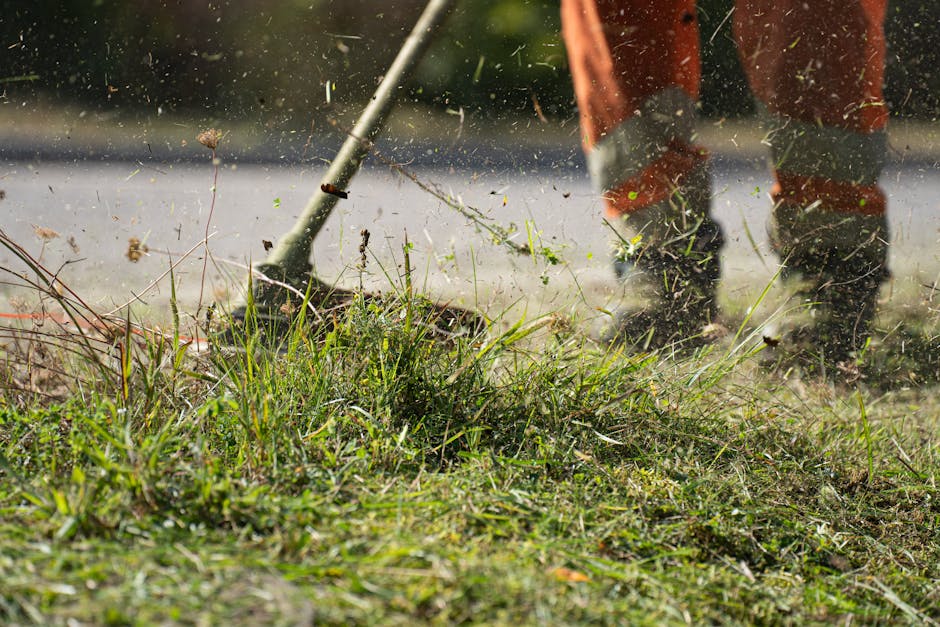
- Edging tool or strimmer: for borders, awkward corners, and path lines
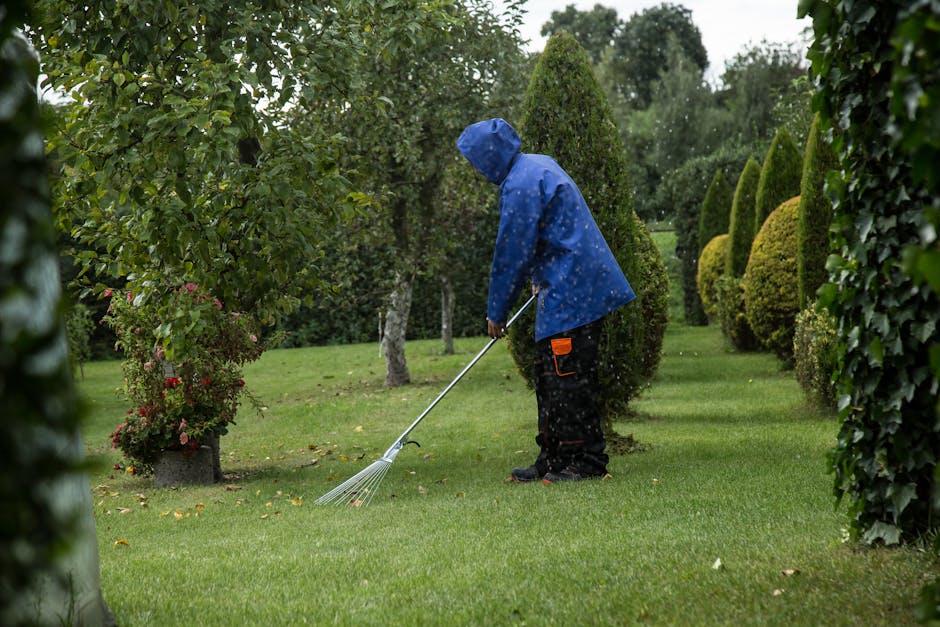
- Rake and leaf bags: especially useful in autumn and after storms
- Gloves and sturdy footwear: simple, but worth it on damp or uneven ground
- Wheelbarrow or trug: helps when moving cuttings, mulch, or soil
If you like to understand the craft a bit better, there are helpful reads on essential gardening tools and organic enrichment from garden scraps. The second one is especially handy if your soil feels tired or lifeless. Soil is often the quiet hero here.
For properties with privacy concerns, boundary growth, or wind exposure, the right greenery also matters. You may find high-growth hedge choices useful, and for stronger sites, garden design for heavy winds is a smart companion read.
Law, Compliance, Standards, or Best Practice
Garden maintenance is not usually heavily regulated in the way some trades are, but good practice still matters. If a service is working with machinery, waste, ladders, or larger tree material, it should follow sensible health and safety habits, use appropriate protective equipment, and communicate clearly about any risk on site.
In the UK, you should expect a professional approach to be careful with boundaries, access, and waste. That means not damaging fences, avoiding overhang issues with neighbours, and disposing of green waste responsibly where this has been agreed. If the job includes tree work, larger cuts, or anything near overhead lines, extra caution is essential. That is not the place for guesswork.
Useful trust signals include clear health and safety policy, transparent insurance and safety information, and straightforward terms and conditions. You may not think about those pages when all you want is a tidy hedge, but they tell you a lot about how seriously a business treats the work.
For customers, the most practical rule is simple: ask what is included, ask how waste is handled, and ask what happens if weather delays a visit. Clear answers now save awkwardness later. Always do.
Options, Methods, or Comparison Table
Choosing the right level of garden care depends on the size of the space, the speed of growth, and how much you want to do yourself. Here is a simple comparison that may help.
| Approach | Best for | Typical strengths | Possible downside |
|---|---|---|---|
| One-off tidy-up | Overgrown or neglected gardens | Fast visible improvement, useful reset | Needs follow-up to stay under control |
| Regular maintenance visits | Busy homes, rentals, and active gardens | Consistent appearance, fewer major jobs | Requires a recurring budget |
| Seasonal maintenance | Lower-growth gardens or smaller spaces | Good for spring and autumn control | May not be enough in peak summer growth |
| Maintenance plus improvements | Gardens needing both care and redesign | Better layout, easier upkeep over time | May take longer to plan and deliver |
In practice, many people near Hounslow West station start with a one-off reset, then move to a lighter regular plan. That is often the most sensible route, especially if the garden has been neglected for a while. It avoids the shock of a full redesign and gives you breathing room.
If the garden also needs structural changes, it may be worth looking at landscaping support or fencing work alongside maintenance, rather than treating everything as the same job.
Case Study or Real-World Example
Picture a modest terraced garden a short walk from Hounslow West station. The front border is full of weeds, the back lawn has patchy areas from shade, and the hedge has grown just enough to block light into the kitchen. Nothing dramatic, but enough to make the place feel slightly tired every time the door opens.
A sensible maintenance plan might begin with a clear-out: weeds removed, edges reset, hedge reduced carefully, and the lawn cut back to a healthier height. The next visit could focus on edging, feeding, and minor pruning. After that, the garden would need a seasonal rhythm rather than a constant rescue mission.
What changed most was not only appearance. The owners could see the whole space again. The back felt bigger. The front looked intentional. Even the morning light changed how the garden felt, which sounds a bit poetic, but honestly, it does matter. A garden that can be seen properly is a garden that gets used more often.
That same approach also helps households with children or pets, where practical upkeep matters as much as neatness. If that sounds like your home, you might also find pet-friendly planting ideas and safe play garden ideas useful.
Practical Checklist
Use this checklist before booking or reviewing garden maintenance near Hounslow West station in Lampton.
- Check whether the service matches your garden size and condition.
- Decide if you need one-off clearance, regular upkeep, or seasonal care.
- Walk the garden and note your top three pain points.
- Ask what is included in mowing, hedge cutting, weeding, and waste removal.
- Confirm access arrangements, parking, and any locked gates.
- Think about plants that need special handling, such as climbers, herbs, or seasonal bedding.
- Review safety, insurance, and terms before agreeing to work.
- Request clarity on how weather delays or repeated visits are handled.
- Look for maintenance advice that helps prevent the same issue returning.
- Set a realistic schedule you can keep, not one that only sounds ideal on paper.
Quick takeaway: the best garden maintenance is the one that keeps your space healthy, tidy, and manageable without creating extra work for you later.
Get a free quote today and see how much you can save.
Conclusion
Finding the best garden maintenance near Hounslow West station in Lampton is really about finding the right rhythm for your space. Not every garden needs a big intervention. Some need regular lawn care and hedge shaping. Others need a full tidy-up first, then a sensible maintenance plan. The key is to match the service to the way the garden actually grows, not just how it looks on one wet Tuesday afternoon.
When maintenance is done well, the garden becomes easier to live with. You waste less time worrying about it, and more time enjoying it. That is the whole point, after all. A well-kept garden should feel like a relief when you step outside, not another obligation hanging over you.
If you are ready to take the next step, a simple conversation, a clear scope, and a realistic plan can make all the difference. Small improvements stack up. They really do.
Frequently Asked Questions
What does garden maintenance usually include?
It usually includes mowing, edging, pruning, hedge trimming, weeding, leaf clearance, border tidying, and sometimes light seasonal planting or patio care. The exact mix depends on the garden and the service plan.
How often should garden maintenance be done near Hounslow West station in Lampton?
That depends on growth rate, season, and garden size. Fast-growing gardens may need weekly or fortnightly visits in spring and summer, while smaller or slower-growing spaces may only need monthly or seasonal attention.
Is one-off garden maintenance enough?
It can be enough for a reset or a pre-event tidy, but many gardens need follow-up to stay manageable. One-off work gives you a fresh start; regular maintenance keeps it that way.
How do I know if I need maintenance or landscaping?
If the garden mainly needs cleaning, cutting, and upkeep, maintenance is the right fit. If the layout is awkward, drainage is poor, or the space needs structural changes, landscaping is probably more appropriate.
What should I ask before booking a gardener?
Ask what is included, how waste is handled, how often visits are recommended, and whether the business carries suitable insurance. Clear answers are a good sign. Vague ones, not so much.
Can maintenance help a neglected garden recover?
Yes. A good first visit can remove overgrowth, restore shape, and make the space workable again. After that, a follow-up routine is usually the sensible part, because gardens do not stay neat by magic.
What are the most common garden maintenance mistakes?
Leaving jobs too long, cutting too much at once, ignoring weeds until they seed, and choosing a service without a clear scope are all common mistakes. The fix is usually simple: act earlier and plan better.
Do I need different maintenance in winter?
Yes, although it is usually lighter. Winter work often focuses on leaf clearance, protecting plants, checking for damage, and keeping paths safe. It is quieter work, but still useful.
Should hedge trimming be part of maintenance?
Absolutely, if hedges are part of the garden. Regular hedge care helps with shape, privacy, light, and plant health. If hedges get too far out of hand, they become much harder to manage neatly.
What if I have pets or children using the garden?
Then tidy paths, safe borders, sensible plant choices, and careful waste removal become even more important. A well-planned maintenance routine can make the space calmer and safer for everyday use.
Can maintenance include patio or decking cleaning?
Sometimes, yes. It depends on the service and what has been agreed. These surfaces often benefit from separate attention, especially if they have algae, staining, or seasonal debris.
How do I get the best value from a garden maintenance service?
Be clear about priorities, choose the right visit frequency, and combine upkeep with prevention where possible. A small amount of regular care usually costs less than repeated recovery work after things have been left too long.